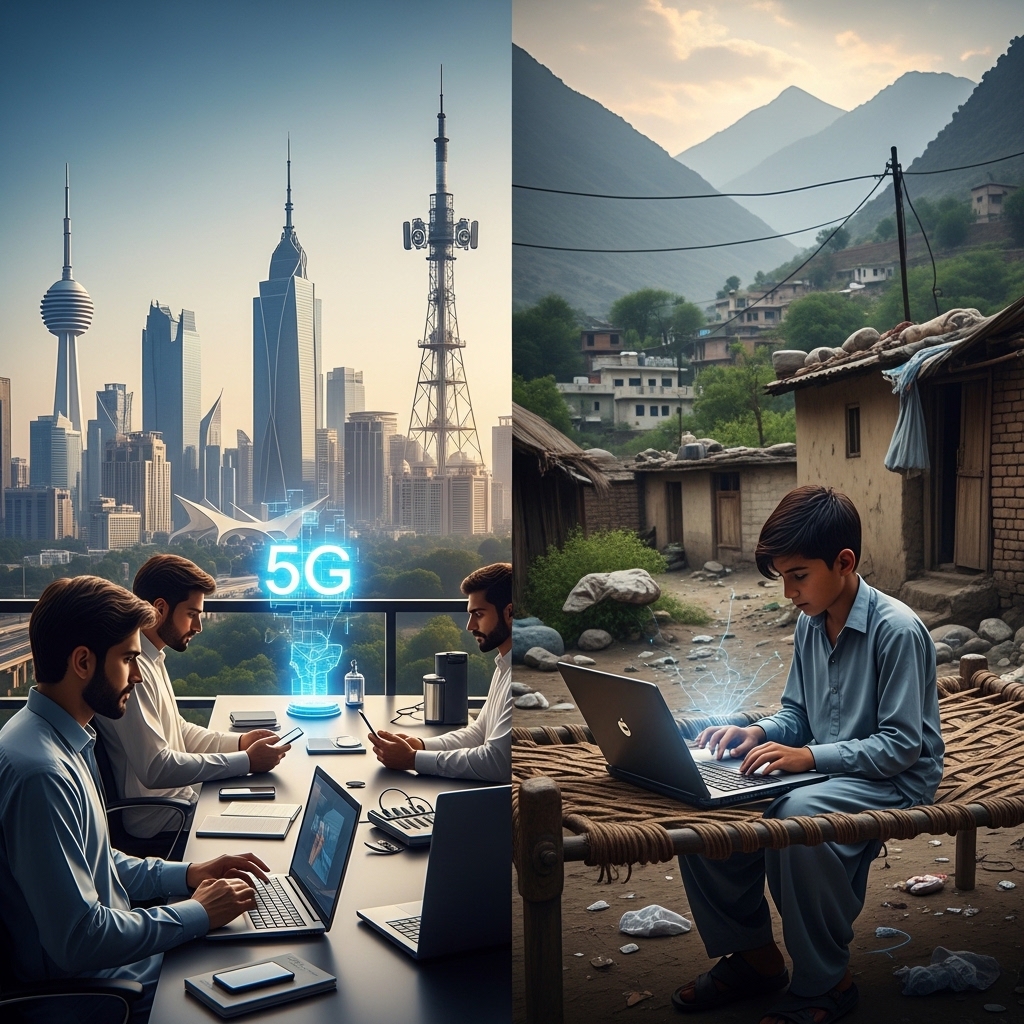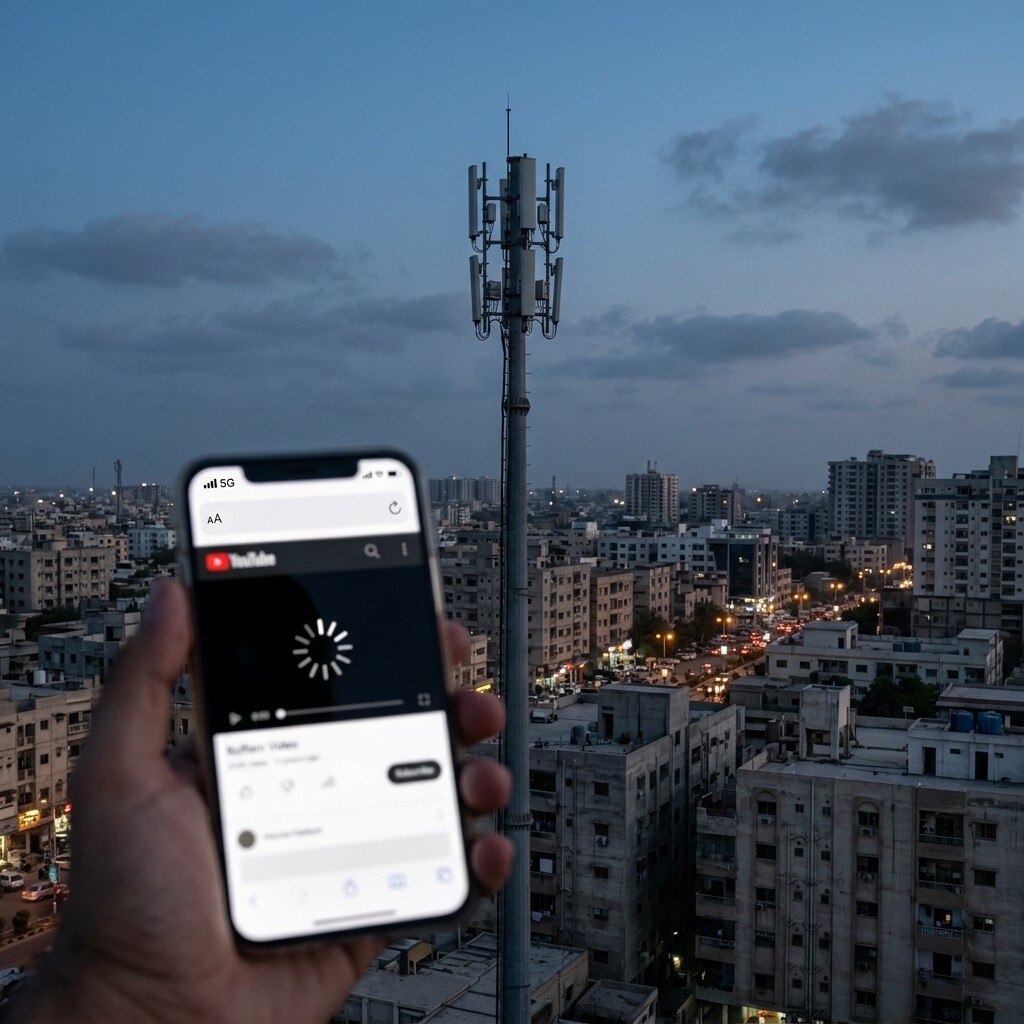
Pakistan's 5G is live in 22 cities with 449 active tower sites as of mid-2026, and 3.81 million 5G-ready phones are registered. However, 5G currently runs on existing 4G towers with no new infrastructure yet, so users still face slow speeds and dropped calls. New 5G infrastructure is expected over the next six to eight months.
A Silicon Valley AI startup that just raised $30 million has a message that should make every Pakistani proud: the country is one of its biggest engineering bets. Nectar Social, backed by top investors, has built a core engineering hub in Lahore, where Pakistani talent develops the AI technology powering millions of conversations for global brands.
But the story is not just a feel-good headline. The company's co-founder offered a refreshingly honest take on Pakistan's real strengths, its challenges, and the smartest path forward for the country's tech future. Here is the full picture, and why it matters for Pakistan's engineers, founders, and students.
Nectar Social is a fast-rising AI company solving a modern problem for brands. It is an AI-powered operating system that helps consumer brands turn online social engagement into measurable revenue.
The technology is genuinely cutting-edge. It uses autonomous AI agents to automate social listening, community management, and conversational commerce across platforms like TikTok, Instagram, and Reddit. In simple terms, its AI handles the flood of brand conversations, DMs, comments, questions, that no human team could ever staff at scale.
The company has serious backing and traction. It raised a $30 million Series A round from prominent investors and its platform already powers more than 10 million conversations every week, growing rapidly. It was founded by two Pakistani-origin sisters, Misbah and Farah Uraizee, both former Meta leaders, which makes the Pakistan connection especially meaningful.
Here is what makes this story stand out. Nectar's Lahore engineering team is not doing side work or basic tasks, it is building the company's core technology.
The founder was clear about this. In an interview with ProPakistani, co-founder Misbah Uraizee said the company did not initially set out with a dedicated Pakistan strategy. Instead, it expanded organically after discovering the country's strong engineering talent and finding it easier to operate than many outsiders assume.
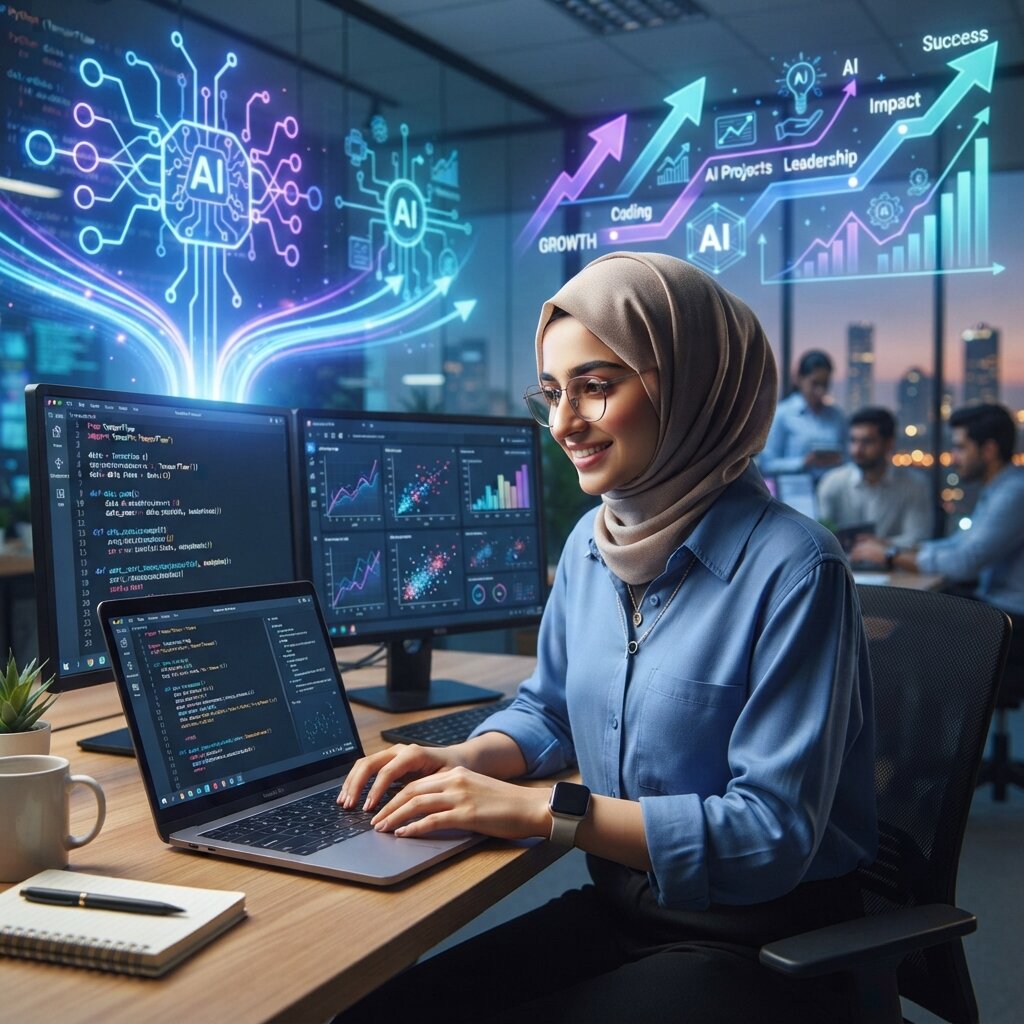
Crucially, the work is real and high-level. Engineers based in Pakistan work on the same AI products, codebase, and production systems as colleagues in Silicon Valley and New York. This is not outsourcing of low-value tasks, it is Pakistani engineers building frontier AI alongside the best in the world. Uraizee said the company continues investing where it finds the strongest engineering returns, and Pakistan has consistently justified further investment.
This is where the story becomes especially valuable, because the founder did not shy away from a hard reality. Many of Pakistan's most capable AI engineers eventually move abroad or join foreign companies to gain exposure to world-class product development, mentorship, and larger career opportunities.
This is the well-known "brain drain" that worries many in Pakistan. But Uraizee offered a thought-provoking reframe. She argued this exposure is precisely what Pakistan needs. AI, she said, presents a rare opportunity to rapidly upgrade the country's technical workforce by placing junior engineers inside globally competitive product teams, where they can learn by building real products.
In her view, having Pakistani engineers work on world-class products, even for foreign companies, is not just a loss, it is training a generation to global standards. The senior leadership at Nectar remains in the Bay Area intentionally, she explained, to develop Pakistan's early-career engineers into future leaders over time.
One of Uraizee's most important points challenges a common assumption. Many believe Pakistan's tech sector just needs more investment. She disagrees that money alone is the answer.
She explained that exposure to high engineering standards, experienced mentors, global customers, and production-scale software development creates lasting value that eventually attracts investment, not the other way around. In other words, build world-class talent and real capability first, and the money will follow.
She pointed to proof. Companies that have invested in Pakistan, including Careem, Motive, and now Nectar, have demonstrated that Pakistan can support world-class engineering organizations at scale. The talent is already here; the challenge is building the environment around it.
This story carries real lessons for the country.
For engineers, it is proof that you can build frontier AI from Pakistan, working on the same products as Silicon Valley teams. World-class opportunities increasingly exist at home, or with global companies operating here.
For students, the message is motivating: invest deeply in engineering and AI skills, because global companies are actively looking for exactly this talent, and the exposure can fast-track your career to world-class standards.
For founders and policymakers, Uraizee's insight is a roadmap. Pakistan's biggest untapped advantage, she noted, is the gap between perception and reality, many international companies still overlook the country, but those who invest discover its true capability. Closing that perception gap could unlock enormous opportunity.
For the economy, more global companies building engineering hubs in Pakistan means high-value jobs, foreign exchange, and skills that stay and compound in the country.
Uraizee laid out a clear, realistic vision for Pakistan. She sees the country's most achievable near-term goal not as becoming a major AI product powerhouse overnight, but as becoming a global AI talent hub first.
That is a smart, staged ambition. Before Pakistan builds the next global AI product, it can become the place the world comes to for elite AI engineering talent. But getting there requires specific things. She pointed to the need for predictable regulations, stronger protection of intellectual property, easier business conditions, and tax policies that encourage skilled engineers and founders to remain in the country instead of leaving.
This is the honest part: the talent is proven, but the environment, rules, IP protection, ease of doing business, must improve to keep that talent and attract more global investment. It connects directly to Pakistan's broader national AI ambitions.
If Pakistan can improve its business environment and retain more of its skilled engineers, stories like Nectar's could become common rather than exceptional. The trajectory is promising: as more global companies discover Pakistani talent, and as programs build AI skills at scale, the country could genuinely become a recognized global engineering hub.
The next few years will test whether Pakistan can turn its talent advantage into lasting infrastructure, companies, capital, and policies that make staying and building at home the obvious choice.
Nectar Social's big bet on Pakistani engineers is both a proud moment and a valuable lesson. It proves, again, that Pakistan's tech talent is world-class and capable of building frontier AI. But the founder's honesty is the real gift: Pakistan's path forward is to embrace global exposure as training, close the perception gap, and build the environment, rules, IP protection, and opportunities, that keep its brilliant engineers building at home. The talent question is answered. The opportunity is Pakistan's to seize. For every young engineer in the country, the message is clear: the world is watching, and the skills you build today can put you at the center of the global AI story.
This article is for general informational purposes only and reflects reports and interviews available in July 2026. Company details and figures can change; this is not financial or career advice.
As of mid-July 2026, Pakistan's 5G is live in 22 cities with 449 active 5G tower sites, and 3.81 million 5G-compatible devices are registered nationwide (per the PTA). Pakistan entered the 5G era after a March 2026 spectrum auction that allocated 480 MHz (of 597.2 MHz offered), raised ~$510 million, and increased total available spectrum from 274 MHz to 754 MHz. Commercial 5G launched first in Islamabad, Rawalpindi, Lahore, and Karachi.
The critical caveat: PTA Chairman Hafeez Ur Rehman told the National Assembly Standing Committee on IT that no new 5G infrastructure has been deployed yet, current 5G runs on existing 4G towers (a "non-standalone" rollout). This is why most users see little real speed improvement. New dedicated infrastructure is expected over the next six to eight months, with full nationwide rollout planned across four phases over about nine years.
Lawmakers expressed serious concern that poor connectivity, slow speeds, and dropped calls now affect major urban centres, including Karachi, not just rural areas, disrupting businesses, online education, and remote work. Coverage is uneven: Karachi has ~50 active 5G sites versus just 3 in Hyderabad. PTA member Sadiq Memon warned that at the current pace, nationwide rollout might not finish until 2035. IT Minister of State Shaza Fatima said Karachi deserves greater priority.
A root cause is electricity: prolonged power outages degrade mobile tower performance, so connectivity depends partly on fixing energy reliability. Local 5G phone assembly (Samsung, Vivo, Oppo, Infinix, Tecno) is scaling up, which should improve affordability.
Bottom line: real 5G progress exists, but benefits will arrive gradually, not overnight. This is informational; check PTA/operator updates for your area.