Global hiring data shows remote workers in high-inflation economies increasingly choose to be paid in USD or stablecoins to protect their earnings, 84.6% of Argentine workers chose USD over local currency. For Pakistani remote workers facing rupee volatility, getting paid and holding value in dollars (within legal channels) is becoming a smart financial-protection strategy, alongside positioning for specialized roles.
For Pakistani professionals earning in dollars from global clients, 2026 brings both opportunity and a hard-learned lesson from workers in similar economies: earning well isn't enough if inflation eats your earnings. New data from one of the world's largest global hiring platforms reveals how remote workers worldwide are adapting, and the lessons are directly relevant to Pakistan.
The findings point to two strategic shifts every Pakistani remote worker should understand: how to protect the value of what you earn, and how to position yourself in a global hiring market that's becoming more selective and specialized. Let's unpack what's happening and what it means for you.
First, understand the landscape, because it's shifting in ways that matter for Pakistan. Analysis of over a million worker contracts across 150+ countries reveals that global remote hiring is maturing and becoming more strategic.
A few key patterns stand out. Companies are increasingly hiring internationally for specialized skills, not just to cut costs, top-funded startups are hiring cross-border early for software developers, AI engineers, and product roles that drive growth. Hiring also follows "corridors" shaped by language, proximity, and regulatory alignment, meaning companies tend to hire from countries they can communicate and operate with easily. And workers, especially in economically volatile countries, are adopting new strategies to protect their earnings.
Each of these trends carries a direct lesson for Pakistani remote workers. Let's start with the most immediately practical one: getting paid.
Here's the finding most relevant to Pakistan, and it's a genuine strategy worth understanding. Remote workers in high-inflation, economically volatile countries are increasingly choosing to be paid in USD or stablecoins instead of their local currencies, specifically to protect their purchasing power.
The data is striking. In one high-inflation economy, Argentina, 84.6% of remote workers chose to be paid in USD rather than their local currency. Globally, USD appeared in five of the ten most common country-currency payment combinations. The logic is simple and sound: if your local currency is losing value to inflation, holding your earnings in a stable currency like USD protects what you've worked for.
For Pakistanis, this hits home. The rupee has faced significant volatility and inflation, meaning money earned and immediately converted to rupees can lose real value over time. The lesson from workers in similar economies is clear: where possible and legal, getting paid in, and holding value in, a stable currency helps protect your hard-earned income. This is a financial-protection strategy Pakistani remote workers should seriously understand.
Before going further, a crucial caveat, because this must be done right. Pakistan has foreign-exchange regulations, and how you receive and hold foreign currency matters legally.
The good news is that legitimate channels exist and have improved. Pakistan's Exporters' Special Foreign Currency Accounts (ESFCA) now allow freelancers and remote workers to retain a portion of earnings in foreign currency, and recent State Bank reforms have made receiving foreign income easier and faster. The key is to use these official, legal channels, not informal or grey-market methods. The strategy of protecting your earnings' value is smart; executing it through proper, compliant means (like ESFCA accounts and registered payment services) is essential. Always operate within Pakistan's regulations, and consult a professional if unsure. Protecting your income and staying compliant aren't in conflict, the legal tools increasingly exist to do both.
The second big lesson is about positioning, and here Pakistan has real advantages worth leveraging. Since companies hire along corridors shaped by language, proximity, and regulatory alignment, understanding where you fit helps you compete.
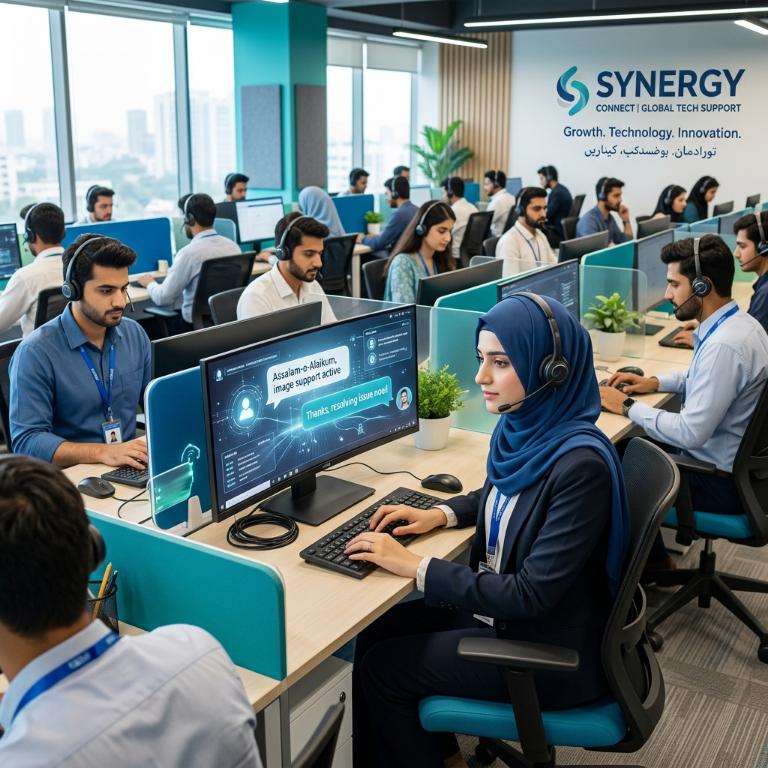
Pakistan's biggest asset in this map is language: a large, English-speaking professional workforce. English is the language of global remote work, and Pakistan's strength here places it within the valuable "corridor" of English-speaking talent that Western companies readily hire from. This is a genuine competitive advantage over non-English-speaking markets. Time-zone positioning also gives Pakistan reasonable overlap with European and Middle Eastern working hours, and partial overlap with the US. To leverage this, emphasize your strong English communication, position yourself for the regions where your time zone works, and understand that you're competing not just on skill but on how easily you fit into a company's operations. Play to Pakistan's corridor strengths.
Here's a trend that rewards leveling up. Global hiring is increasingly concentrated on specialized, high-value roles, software developers, AI engineers, product managers, and similar, rather than generic, easily-replaceable work.
At top-funded startups, a large share of cross-border hires are software developers and other specialists. The message for Pakistani remote workers is consistent with everything the market is signaling: specialize. Generic, commodity skills face the most competition and price pressure (and increasingly, AI automation), while specialized expertise commands premium pay and steady demand. The remote workers who'll thrive aren't those offering the cheapest generic service, but those offering genuine, specialized skill that companies will hire across borders to access. Combined with the currency-protection strategy, the winning formula becomes clear: earn well through specialized skills, then protect that income's value.
The data also reveals entirely new opportunities emerging, worth watching. One striking example: "AI trainer" roles grew 283% cross-border, now spanning 70,000+ workers globally, people who help develop and refine AI systems, from data annotation to subject-matter expertise, earning anywhere from $15 to $75 per hour.
This matters because it shows the remote job market constantly creates new categories, and early movers benefit. Notably, top countries hiring AI trainers include India, the Philippines, Kenya, and Nigeria, emerging economies with English skills and available talent, exactly the profile Pakistan shares. There's a real opportunity for Pakistanis to enter emerging remote fields like AI training, where demand is exploding and the barriers (often strong English plus specific knowledge rather than years of experience) suit Pakistani talent. Watching for and moving early into these new categories is a smart strategy.
These trends carry significant implications for Pakistan's economy and workforce.
For individual remote workers, the lessons are directly actionable: protect earnings through legal foreign-currency channels, specialize to command better pay, and leverage Pakistan's English and time-zone advantages.
For Pakistan's economy, remote work brings vital foreign exchange, and helping workers receive and retain it efficiently (through reforms like ESFCA) directly benefits the country. The currency-protection trend also underscores why economic stability matters for retaining this talent.
For the freelance and remote sector, positioning Pakistan strongly within global hiring corridors, through English proficiency, skills, and ease of doing business, could capture more of the growing global remote-work market.
For policymakers, the data is a reminder that making it easy and legal for Pakistanis to receive and hold foreign earnings isn't a technicality, it's key to competing globally and keeping talent and its earnings connected to Pakistan.
The strategic principle emerging from all this data is elegant: earn globally, protect locally. The most successful remote workers in volatile economies don't just focus on landing well-paying international work, they also actively protect the value of what they earn.
For Pakistani professionals, this means a two-part strategy. First, on the earning side: specialize in high-value skills, leverage your English and positioning to fit global hiring corridors, and watch for emerging roles like AI training. Second, on the protecting side: use legal channels (like ESFCA accounts) to receive and, where sensible, hold earnings in stable currency, shielding your income from local inflation. The honest caveat is that this must be done within Pakistan's regulations, and currency and tax rules require care and often professional advice. But the workers who master both sides, earning well and protecting that value, are the ones who build genuine, lasting financial security from remote work. In a volatile economy, how you hold your money matters almost as much as how much you earn.
Expect these trends to intensify. Payment innovation (including stablecoins and better cross-border tools) will keep giving workers more options to protect earnings, and Pakistan's own foreign-currency framework will likely keep evolving. Global hiring will grow more specialized, rewarding those who level up. And competition within hiring corridors will increase, making Pakistan's English and positioning advantages more important to actively leverage.
For Pakistani remote workers, staying informed, about both where the opportunities are and how to protect earnings, will be increasingly valuable. The ones who treat their remote career strategically, on both the earning and protecting sides, will be best positioned to thrive.
The global remote-work market is maturing, and the data offers Pakistani professionals a clear, two-part playbook. On earning: specialize in high-value skills, leverage Pakistan's English and time-zone advantages to fit global hiring corridors, and move early into emerging roles like AI training. On protecting: learn from workers in similar economies who shield their earnings by getting paid in stable currency, and use Pakistan's legal channels like ESFCA accounts to do the same, compliantly. The rupee's volatility makes this second lesson especially relevant, earning dollars means little if their value erodes before you use them. Master both sides, earn globally and protect that value locally, and remote work becomes not just a source of income, but a path to genuine financial security. The world is hiring, and it's paying in dollars. Make sure you both earn them, and keep their worth.
This article is for general informational purposes only and reflects global hiring data and trends reported in 2026. It is not financial, tax, legal, or investment advice. Foreign-exchange and tax regulations in Pakistan are complex and evolving, always use legal channels and consult qualified professionals before making decisions about receiving or holding foreign currency. Cryptocurrency and stablecoins carry risk and their regulatory status in Pakistan is evolving.
Analysis of global hiring data (Deel's 2026 report, based on 1M+ worker contracts across 150+ countries) reveals strategic shifts directly relevant to Pakistani remote workers, centered on two lessons: how to protect earnings' value, and how to position in a maturing global hiring market.
Key insight, get paid in stable currency: remote workers in high-inflation, volatile economies increasingly choose USD or stablecoins over local currencies to protect purchasing power. In Argentina, 84.6% of workers chose USD over local currency, and USD appeared in 5 of the 10 most common country-currency payment combinations globally. For Pakistanis facing rupee volatility, receiving and holding earnings in stable currency protects income, but must be done through legal channels like Pakistan's Exporters' Special Foreign Currency Accounts (ESFCA, which allow retaining foreign currency), aided by recent State Bank reforms. Compliance is essential; avoid grey-market methods.
Positioning, "hiring corridors": companies hire along corridors shaped by language, proximity, and regulatory alignment. Pakistan's large English-speaking workforce is a major asset, placing it in the valuable English-talent corridor, plus reasonable time-zone overlap with Europe/Middle East. Global hiring is also shifting toward specialized, high-value roles (software developers, AI engineers, product managers) over cheap generic labor, so specializing is key.
Emerging opportunity: "AI trainer" roles grew 283% cross-border (70,000+ workers, $15–75/hour), with top hiring countries including India, the Philippines, Kenya, and Nigeria, emerging economies with English skills, a profile Pakistan shares.
Strategic principle: "earn globally, protect locally", specialize and leverage positioning to earn well, then protect that income's value via legal foreign-currency channels.
Informational only; not financial/tax/legal advice; FX and crypto regulations in Pakistan are evolving; use legal channels and